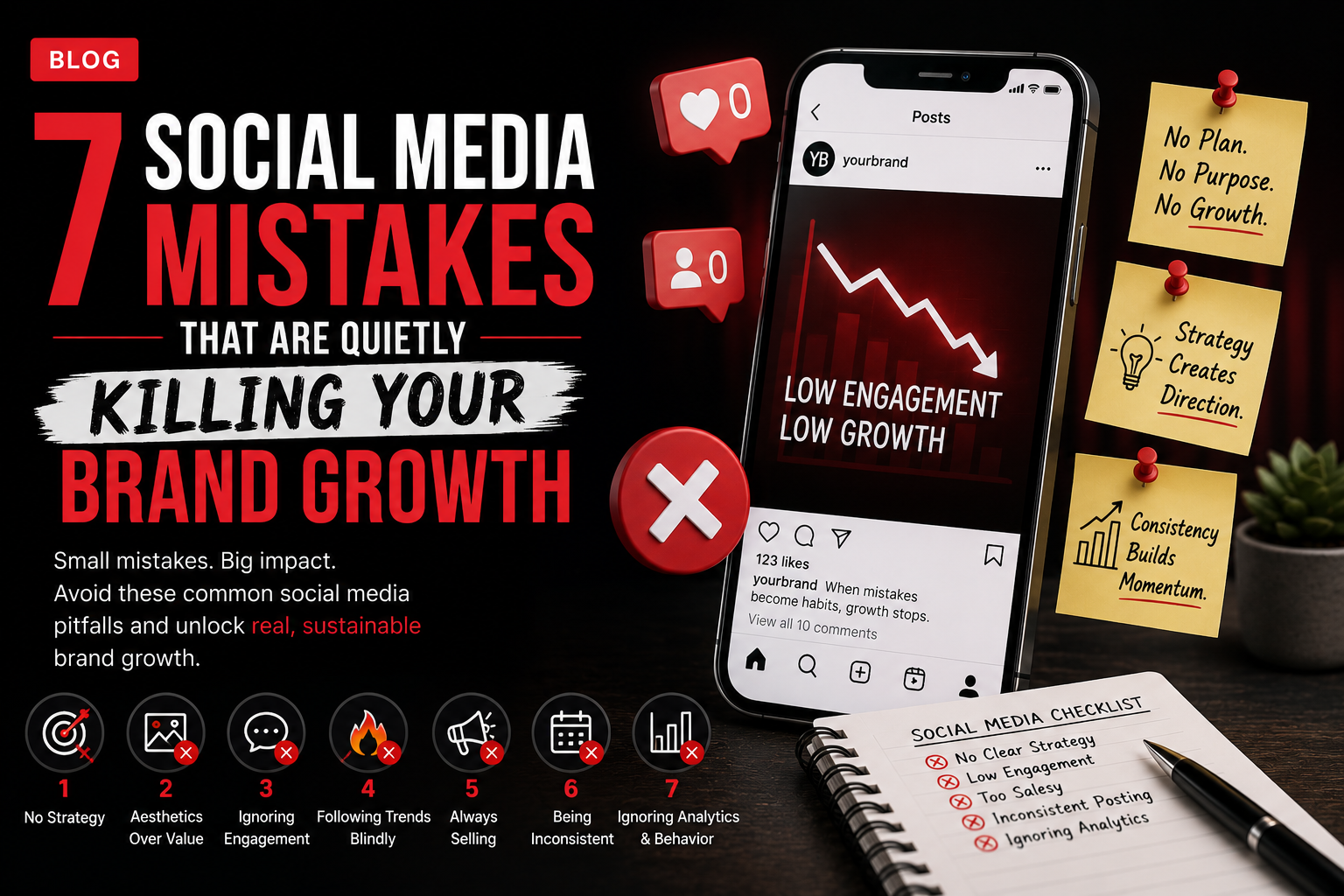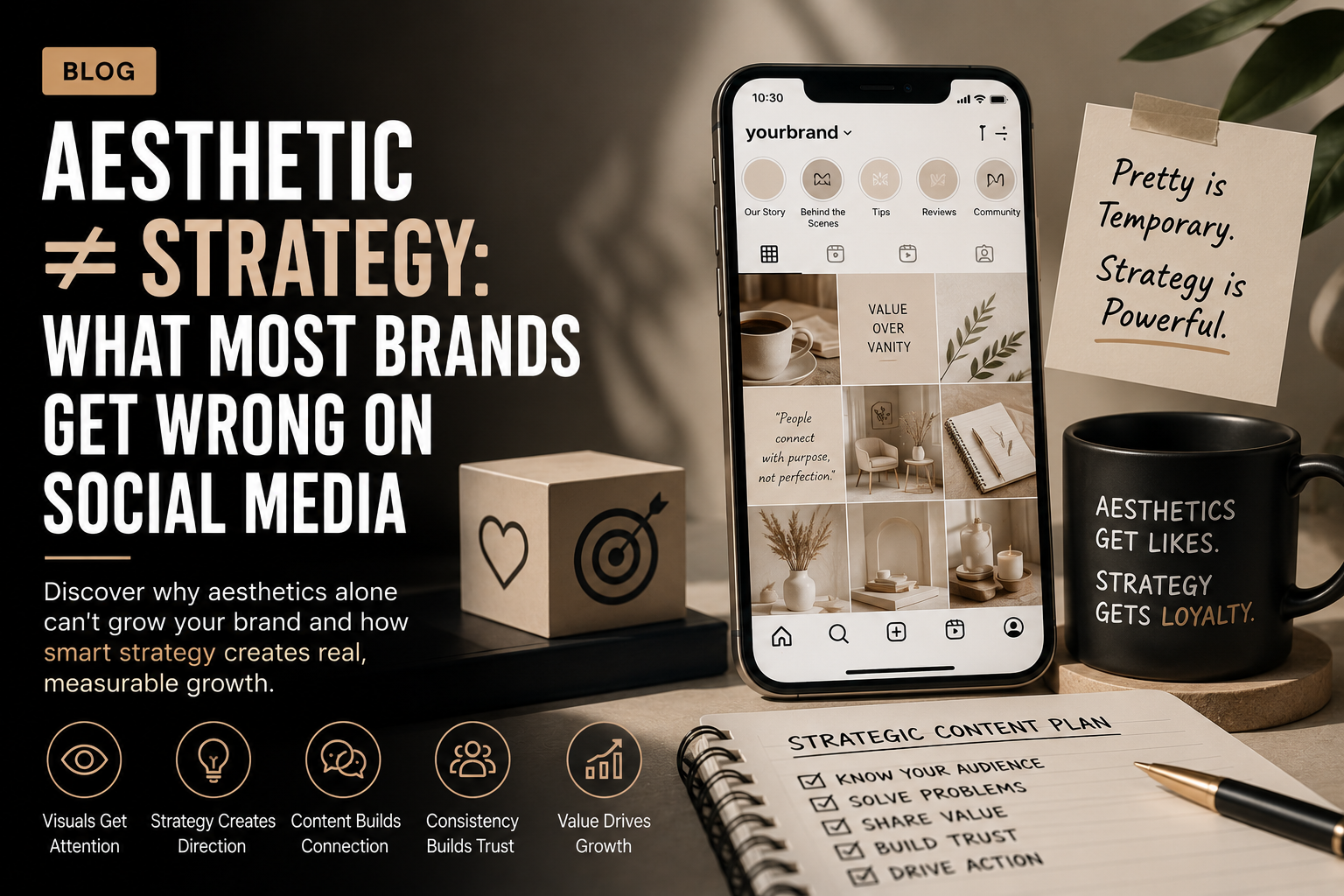
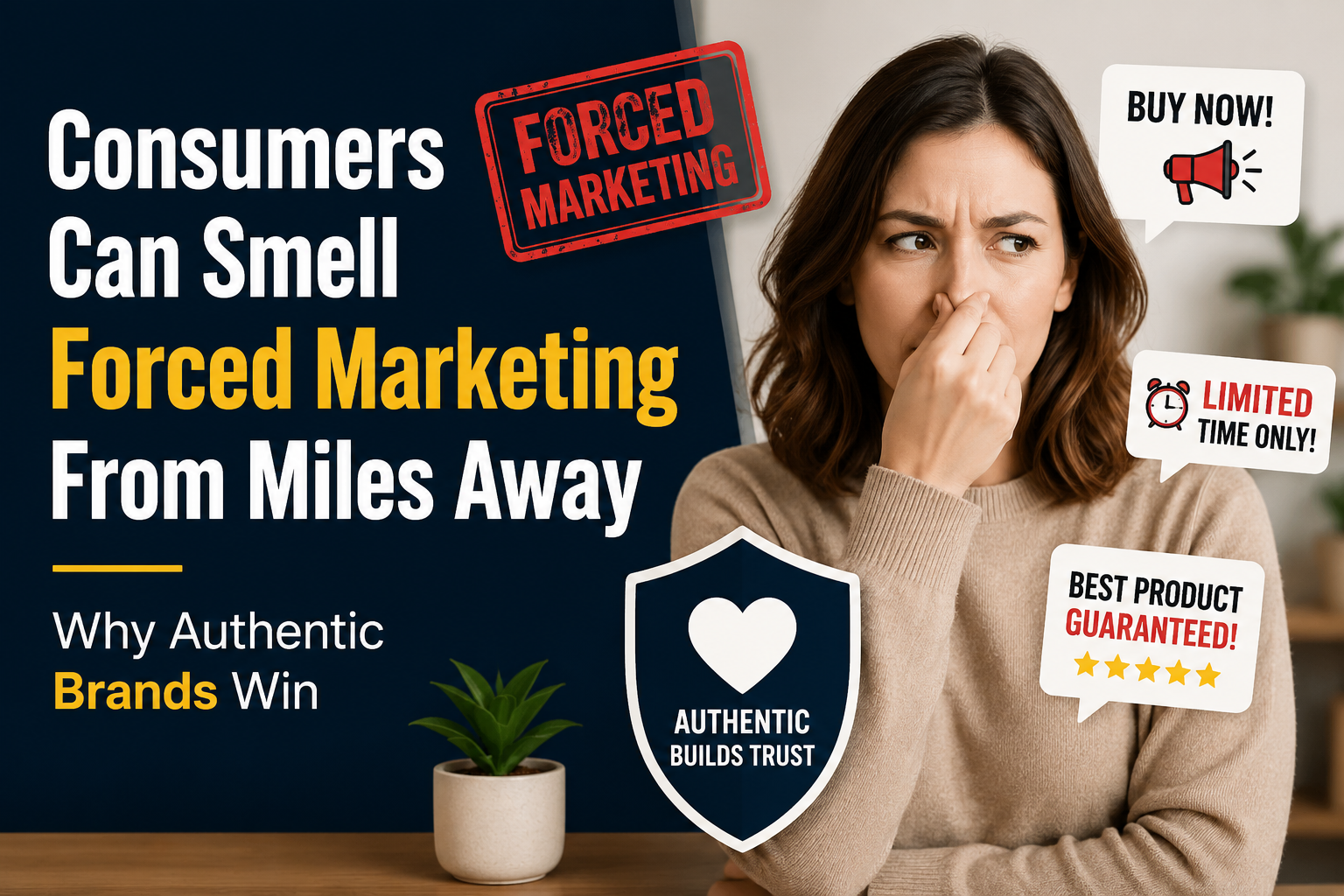
Consumers have become incredibly skilled at identifying marketing that feels forced.
Whether it is an influencer promoting a product they clearly do not use, a brand jumping on every trend without a clear reason, or a company making promises that sound too good to be true, people can usually tell when marketing lacks authenticity.
The reason is simple.
Modern consumers are exposed to thousands of marketing messages every day. They scroll past sponsored posts, watch advertisements between videos, receive promotional emails, and encounter branded content across nearly every digital platform. Over time, they have developed a natural ability to distinguish genuine communication from content that exists solely to sell.
This shift has fundamentally changed the way successful brands market themselves.
Today, authenticity is no longer a competitive advantage. It is an expectation.
Brands that fail to understand this often struggle to build trust, engagement, and customer loyalty. Meanwhile, brands that prioritize honest communication and genuine value continue to strengthen their relationships with consumers.
So why does forced marketing fail, and what does authentic marketing actually look like?
What Is Forced Marketing?
Understanding Forced Marketing
Forced marketing occurs when promotional content feels unnatural, overly sales-focused, or disconnected from a brand’s genuine identity.
Consumers may not always consciously identify why something feels inauthentic, but they often sense it immediately.
Common examples include:
- Exaggerated claims
- Artificial urgency
- Scripted influencer endorsements
- Trend participation without relevance
- Constant sales-focused messaging
- Generic content that lacks personality
While these tactics may generate short-term attention, they rarely build long-term trust.
And trust is what drives sustainable growth.
Why Consumers Have Become Better at Detecting Inauthentic Marketing
Information Is More Accessible Than Ever
Today’s consumers are informed.
Before making a purchase, they can:
- Read reviews
- Compare competitors
- Watch product demonstrations
- Search customer experiences
- Explore community discussions
This level of transparency makes it difficult for brands to rely on marketing claims alone.
Consumers expect proof, not promises.
Consumers Value Transparency
People no longer expect brands to be perfect.
Instead, they want brands to be honest.
Consumers appreciate businesses that:
- Communicate clearly
- Set realistic expectations
- Admit mistakes when necessary
- Deliver on their promises
- Focus on customer value
Trust has become one of the most valuable assets a brand can possess.
5 Signs Your Marketing Feels Forced
1. Every Post Is Trying to Sell Something
If every piece of content pushes a product, audiences quickly lose interest.
People do not visit social media platforms looking for nonstop advertisements. They want education, entertainment, inspiration, and meaningful interaction.
Brands that provide value before asking for a sale tend to build stronger relationships with their audiences.
2. You Follow Every Trend
Trends can be useful when they align with your brand.
However, participating in every viral challenge, audio, or meme often creates confusion.
When brands constantly change their voice to fit trends, they weaken their identity and become less memorable.
3. Your Brand Voice Changes Constantly
Strong brands sound consistent.
If your messaging changes dramatically from one post to another, audiences struggle to understand who you are and what you stand for.
Consistency builds familiarity.
Familiarity builds trust.
4. You Focus on Virality Instead of Value
A viral post can generate visibility.
However, visibility alone does not create loyalty.
Many brands become obsessed with chasing views and reach while neglecting the quality of their communication.
Long-term growth comes from creating value, not simply attracting attention.
5. Your Messaging Sounds Like Everyone Else
Consumers encounter countless brands every day.
If your content relies on generic phrases and predictable marketing language, it becomes forgettable.
The most successful brands communicate with a distinct voice that reflects their identity and values.
How Forced Marketing Damages Brand Growth
Reduced Consumer Trust
Trust takes years to build and moments to lose.
When consumers feel manipulated or misled, they begin questioning not only the campaign but the brand itself.
Lower Engagement Rates
Audiences engage with content that feels relevant and authentic.
When content feels overly promotional, engagement naturally declines.
Weak Customer Loyalty
People remain loyal to brands they trust.
If communication feels artificial, customers are less likely to develop long-term relationships with the brand.
Poor Conversion Performance
Many businesses assume aggressive marketing leads to higher sales.
In reality, trust often plays a much larger role in purchasing decisions.
Consumers are more likely to buy from brands they believe in.
What Authentic Marketing Looks Like
Customer-Centric Storytelling
Authentic brands focus on customer experiences rather than constantly talking about themselves.
They share stories that resonate with real challenges, aspirations, and emotions.
Educational Content
Providing useful information demonstrates expertise and builds credibility.
Educational content helps audiences solve problems while positioning the brand as a trusted resource.
Consistent Brand Communication
Authentic brands maintain a recognizable voice across every platform.
Whether customers encounter the brand on social media, a website, or email, the communication feels consistent and familiar.
Honest Messaging
Authenticity is rooted in honesty.
This is why agencies like So Social Digital Marketing Agency focus on creating meaningful brand communication, audience trust, and long-term brand growth rather than relying on short-term marketing tactics designed solely to generate attention.
Authentic brands understand that credibility is built through consistency and transparency.
How to Build Consumer Trust Through Authentic Marketing
Understand Your Audience
The most effective marketing begins with listening.
Brands that understand their audience’s needs, frustrations, and motivations create more relevant communication.
Focus on Value Before Promotion
Every piece of content should answer an important question:
How does this help the audience?
When brands focus on providing value, trust develops naturally.
Show Behind-the-Scenes Content
People connect with people.
Sharing the human side of a business helps audiences relate to the brand on a deeper level.
Use Real Customer Stories
Customer experiences often communicate credibility more effectively than traditional advertisements.
Real stories create social proof and strengthen trust.
Stay Consistent
Trust grows through repeated positive interactions.
Consistency in messaging, tone, and values helps reinforce brand credibility over time.
The Future of Marketing Belongs to Authentic Brands
Consumer expectations continue to evolve.
People are becoming increasingly selective about which brands they trust and support.
The businesses that succeed in the future will not necessarily be the loudest.
They will be the most credible.
Authenticity is no longer simply a branding trend.
It has become a fundamental requirement for building meaningful customer relationships.
Brands that prioritize honesty, transparency, and value will continue to earn trust in an increasingly competitive marketplace.
Final Thoughts
Consumers can smell forced marketing from miles away because they have learned to recognize the difference between genuine communication and content designed purely to sell.
The brands that thrive today are not those with the biggest advertising budgets or the most aggressive campaigns.
They are the brands that understand their audience, communicate authentically, and consistently provide value.
At So Social, we believe the future belongs to brands that communicate with honesty, deliver genuine value, and build trust through every interaction.
Because while marketing may capture attention, authenticity is what earns loyalty.
Frequently Asked Questions
What is forced marketing?
Forced marketing refers to promotional content that feels overly aggressive, unnatural, or disconnected from genuine customer needs. It often prioritizes selling over building trust.
Why do consumers dislike forced marketing?
Consumers dislike forced marketing because it often feels insincere and manipulative. Modern audiences value transparency and prefer brands that communicate authentically.
What is authentic marketing?
Authentic marketing focuses on honest communication, meaningful storytelling, customer value, and building genuine relationships rather than relying solely on promotional tactics.
How can brands become more authentic?
Brands can improve authenticity by understanding their audience, providing value-driven content, sharing real experiences, maintaining a consistent voice, and communicating transparently.
Does authentic marketing improve conversions?
Yes. Authentic marketing helps build trust, and trust is one of the strongest drivers of customer engagement, loyalty, and purchasing decisions.